best ERP for manufacturing businesses

ERP for Manufacturing

ERP for Manufacturing Company- How the Right ERP Transforms Production, Inventory & Profits

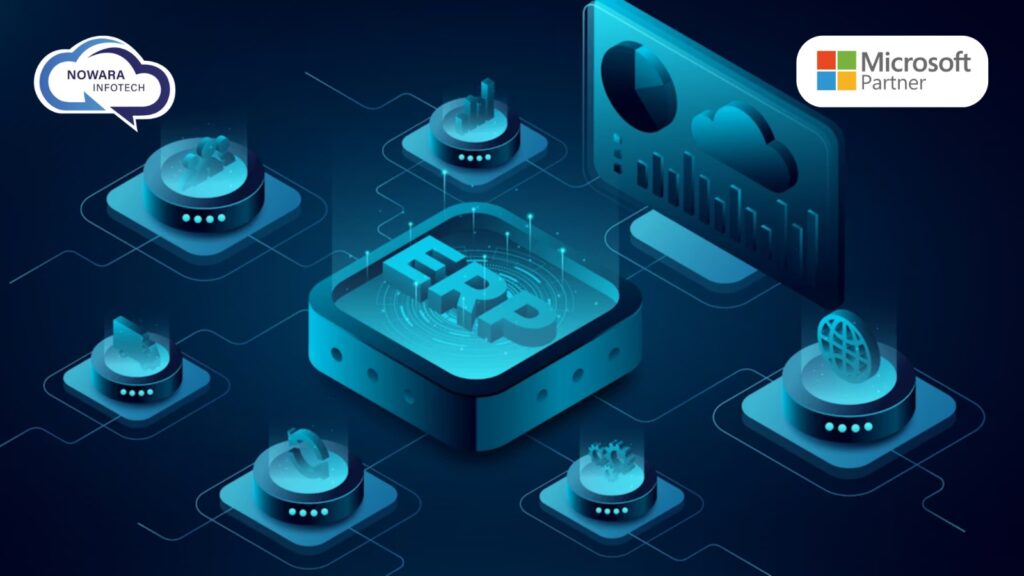
Manufacturing companies today are under constant pressure to produce faster, reduce costs, maintain quality, and stay compliant—all while managing complex supply chains and fluctuating demand. Yet many manufacturers still rely on disconnected software, legacy ERP systems, or Excel-based processes, leading to inefficiencies and lost revenue. This is where a modern ERP for manufacturing company becomes a game-changer. Why Traditional Systems Fail Manufacturing Companies Most manufacturing businesses face similar operational challenges: No real-time visibility into production, inventory, and finances Frequent stock-outs or overstocking Manual production planning and scheduling Delayed order fulfillment High dependency on spreadsheets Difficulty in managing GST, audits, and compliance Poor coordination between sales, production, and procurement Without an integrated ERP system, these issues scale as the business grows, making operations harder to control. What Is an ERP for Manufacturing Company? An ERP (Enterprise Resource Planning) system for manufacturing is a centralized platform that integrates: Production planning Bill of Materials (BOM) Inventory & warehouse management Procurement & vendor management Sales & order processing Quality control Finance, accounting & compliance Reporting & analytics A modern ERP like Microsoft Dynamics 365 connects all departments into one single source of truth, enabling faster decisions and predictable outcomes. Key Features to Look for in an ERP for Manufacturing When evaluating an ERP for your manufacturing company, these features are critical: 1. Production Planning & Control Master production scheduling Capacity planning Work order management Real-time shop floor visibility 2. Inventory & Warehouse Management Real-time stock tracking Batch & lot tracking Multi-warehouse management Reduced wastage and dead stock 3. Bill of Materials (BOM) & Routing Multi-level BOM support Version control Accurate costing Faster product changes 4. Procurement & Supply Chain Automated purchase planning Vendor performance tracking Lead-time optimization 5. Finance, Costing & Compliance Product-wise and process-wise costing GST-ready accounting Audit-ready financials Faster month-end closing 6. Real-Time Reports & Dashboards Production vs plan Inventory aging Profitability by product or plant Power BI–enabled analytics Why Microsoft Dynamics 365 Is Ideal for Manufacturing Companies Microsoft Dynamics 365 is a cloud-based ERP built for modern manufacturing Key Advantages: Scales with business growth Integrates seamlessly with Microsoft 365, Azure, Power BI Supports discrete, process, and mixed-mode manufacturing Industry-ready for manufacturing, pharma, food & beverage Strong security and compliance framework Lower total cost of ownership compared to legacy ERP When Should a Manufacturing Company Implement ERP? You should consider ERP implementation if: Your business is growing beyond single plant or location You rely heavily on Excel or manual processes Inventory and production data don’t match Management lacks real-time visibility Compliance and audits are becoming difficult You want to scale operations without increasing overhead Choosing the Right ERP Partner Matters ERP success is not just about software—it’s about industry expertise and implementation approach. A good ERP partner will: Understand manufacturing workflows Map ERP to your real processes (not generic templates) Ensure minimal business disruption Provide post-implementation support and optimization Conclusion: ERP Is No Longer Optional for Manufacturing In today’s competitive environment, ERP for manufacturing company is not a luxury—it’s a necessity. Manufacturers that adopt the right ERP gain control, visibility, and scalability, while those who delay struggle with inefficiencies and rising costs.
nowara 16th sep blog

How ERP Enhances Raw Material Planning & Machine Uptime in Chemical Manufacturing

The Chemical Manufacturing Challenge If you’re in the chemical industry, you already know this—a small error in raw material planning can shut down an entire batch, and machine downtime doesn’t just delay production—it eats into profits every single hour. According to industry reports: That’s not just inefficiency. That’s profit leaking out of your business. Where the Pain Really Hurts! If this sounds familiar, you’re not alone. Many chemical manufacturers struggle here. The Nowara Infotech Advantage: ERP for Chemical Manufacturing Nowara Infotech brings a specialized ERP software for chemical manufacturing—built on Microsoft Dynamics 365 Business Central, with AI + IoT integrations—designed to solve exactly these issues. Here’s how it helps:  Smart Raw Material Planning  Boost Machine Uptime with Predictive Maintenance  Batch & Formula Management Connected Data, Faster Decisions The Results You Can Expect From Us Our clients in the chemical industry have seen: This isn’t just ERP—it’s a profit accelerator for your chemical plant. Time to Move Beyond Manual Planning In the chemical business, delays and downtime aren’t just operational issues—they’re lost opportunities. Nowara Infotech’s chemical industry ERP software helps you stay ahead with smarter raw material planning, predictive machine maintenance, and compliance-ready processes. Don’t let raw material chaos or machine downtime drag your business back.Book a free ERP consultation with Nowara Infotech today. FAQs What is ERP for the chemical manufacturing industry?  ERP for chemical manufacturing is a specialized solution that manages raw material planning, batch production, compliance, machine uptime, and financial integration—all in one centralized system. How does ERP improve raw material planning in chemical manufacturing?  It provides real-time visibility into stock, automates reordering, forecasts demand accurately, and ensures materials are available when production needs them. How does ERP software reduce machine downtime? By using IoT sensors and predictive maintenance scheduling, ERP detects potential machine issues before they occur—ensuring higher uptime and fewer costly disruptions. Why choose Nowara Infotech for chemical industry ERP software?  Nowara Infotech is a Microsoft, SAP, AWS, and LS Central partner, delivering tailored ERP solutions with global expertise and local compliance readiness.

How ERP Tackles Raw Material Wastage in the Metal Industry

How ERP Tackles Raw Material Wastage in the Metal Industry

Discover how smart tracking and production planning reduce scrap and cost with Nowara Infotech. The Hidden Cost of Wastage in Metal Manufacturing In the metal industry, raw material wastage silently drains profitability. From steel coils and aluminum sheets to copper rods and alloy blocks, every miscut, overused input, or untracked scrap adds up. Traditional spreadsheets or disconnected systems make it nearly impossible to monitor and control. Without accurate systems in place, manufacturers end up spending more, producing less, and wasting potential profit. This is where an industry-specific ERP for the metal industry makes all the difference. Key Challenges Faced Without ERP These issues don’t just slow you down—they increase your cost per unit. Nowara Infotech ERP: A Precision Tool for Metal Manufacturers At Nowara Infotech, we offer the best ERP software for manufacturing, tailored to meet the specific demands of the metal industry. Our system helps you cut waste, gain control, and scale efficiently. Smart Material Planning Plan raw material consumption down to each job or batch. Allocate based on actual requirements and reduce excess ordering. BOM & Routing Accuracy Detailed BOMs with exact material specs and tolerance thresholds ensure only what’s needed is consumed. Integrated routing helps streamline every step. Real-Time Scrap Tracking Track and analyze scrap in real time across machines, shifts, and operators. Know where the waste happens and fix it fast. Yield Optimization Tools Our ERP supports optimized cutting layouts and yield planning to minimize offcuts and enhance material utilization. Production Analytics Leverage data to uncover patterns in wastage, operator efficiency, and machine performance. Make informed decisions quickly. Accurate Inventory Control Gain real-time visibility into your inventory with batch-wise tracking, reducing emergency purchases and carrying costs. The Business Impact Metal manufacturers using Nowara Infotech ERP typically experience: Why Nowara Infotech We specialize in ERP solutions built for metal industry challenges. Our ERP integrates seamlessly with your operations—whether you’re into fabrication, casting, rolling, or machining. Let’s Turn Your Scrap into Savings Raw material wastage is an avoidable cost. With Nowara Infotech, you gain precision, control, and profitability—all from one platform. Book your free demo today or reach us at info@nowarainfotech.com Let’s build a leaner, smarter, more efficient manufacturing floor together.

Inefficient Production Planning: A Hidden Bottleneck in Manufacturing

Inefficient Production Planning: A Hidden Bottleneck in Manufacturing

Picture this: your production line is buzzing, deadlines are looming, and yet, somehow, everything feels chaotic. Orders are delayed, costs are spiraling, and the pressure keeps mounting. Sound familiar? Inefficient production planning is often the silent saboteur behind these challenges. But what if there was a way to replace this chaos with clarity and control? Let’s explore the journey of inefficiency in the manufacturing industry and how adopting the best ERP software for manufacturing, such as those tailored for the packaging industry, can turn the tide. The Journey of Inefficiency in Manufacturing How ERP Software Transforms Manufacturing Efficiency Adopting an ERP solution specifically designed for the manufacturing industry—such as ERP software for the packaging industry or best manufacturing software—can revolutionize production planning and operations. Here’s how: Why Choose Nowara Infotech for Your ERP Needs? At Nowara Infotech, we specialize in delivering industry-specific ERP solutions tailored to the unique needs of the manufacturing sector. Whether you’re in packaging, printing, or other manufacturing industries, our ERP software is designed to: With our expertise, you can unlock the full potential of your business and stay ahead in today’s competitive landscape. Ready to Transform Your Manufacturing Efficiency? Don’t let inefficient production planning hold you back. Discover the power of the best ERP software for manufacturing with Nowara Infotech. Let us help you streamline your operations, reduce costs, and achieve unparalleled growth. Contact us today to schedule a consultation and take the first step toward manufacturing excellence!

Microsoft Dynamics 365 Business Central

How Manufacturing ERP Software Transforms the Packaging Industry in the UAE

In the rapidly growing manufacturing sector of the UAE, efficiency and innovation are paramount. As the packaging industry evolves, companies must adopt advanced technologies to stay competitive. Enter Manufacturing ERP (Enterprise Resource Planning) software – a transformative solution that streamlines operations, enhances productivity, and drives growth. In this blog, we will explore how manufacturing ERP software revolutionizes the packaging industry in the UAE, the best ERP tools available, and why Microsoft Dynamics 365 Business Central stands out as the ultimate choice. What is Manufacturing ERP? Manufacturing ERP software integrates various business processes into a unified system, providing real-time insights and control over operations. It encompasses modules for inventory management, production planning, quality control, procurement, and financials, among others. By centralizing data and automating workflows, ERP systems reduce inefficiencies, improve decision-making, and boost overall productivity. The Size of the ERP Market in the UAE The ERP market in the UAE is thriving, driven by the country’s commitment to digital transformation and innovation. According to recent studies, the ERP market in the UAE is expected to grow significantly, reaching approximately USD 445.78 million by 2026, with a compound annual growth rate (CAGR) of 10.8%. This growth underscores the increasing adoption of ERP solutions across various industries, including manufacturing and packaging. Which ERP Tool is Best Suited for the Manufacturing Industry? When it comes to selecting the best ERP for the manufacturing industry, several factors come into play, including scalability, flexibility, and industry-specific features. Among the top contenders, Microsoft Dynamics 365 Business Central stands out as the ideal choice for manufacturing companies, especially in the packaging sector. Why Microsoft Dynamics 365 Business Central? 1. Comprehensive Functionality: Microsoft Dynamics 365 Business Central offers a wide range of modules tailored to the manufacturing industry, including production planning, inventory management, quality control, and financials. 2. Seamless Integration: Business Central integrates seamlessly with other Microsoft tools like Excel, Outlook, and Power BI, providing a holistic ecosystem that enhances productivity and collaboration. 3. Scalability: As a cloud-based solution, Dynamics 365 Business Central is highly scalable, allowing companies to expand their operations without worrying about system limitations. 4. Real-time Insights: With advanced analytics and reporting capabilities, Business Central provides real-time insights into operations, enabling data-driven decision-making and proactive problem-solving. ERP Software Used in the UAE Several ERP solutions are popular among UAE businesses, each catering to different needs and industries. Some of the widely used ERP software in the UAE include: SAP: Known for its robust features and global reach, SAP is a popular choice among large enterprises. Oracle ERP Cloud: Renowned for its comprehensive suite of applications, Oracle ERP Cloud is favored by businesses seeking extensive functionality. Odoo: An open-source ERP solution that offers flexibility and customization options, Odoo is popular among small and medium-sized enterprises (SMEs). The Famous ERP Software: Microsoft Dynamics 365 Business Central While various ERP solutions are used in the UAE, Microsoft Dynamics 365 Business Central is gaining significant traction for its versatility, user-friendly interface, and powerful features. Its ability to adapt to the unique needs of the manufacturing industry makes it a standout choice for packaging companies looking to enhance their operations. Transform Your Packaging Business with Nowara Infotech At Nowara Infotech, we understand the unique challenges faced by the packaging industry in the UAE. As a certified partner of Microsoft, we specialize in implementing Dynamics 365 Business Central to help manufacturing companies streamline their operations, improve efficiency, and achieve sustainable growth. Why Choose Nowara Infotech for your manufacturing industries in UAE? Contact Nowara Infotech today to learn how Microsoft Dynamics 365 Business Central in UAE can revolutionize your operations and set you on the path to success. Visit our website at www.nowarainfotech.com

ERP implementation

What are the 7 Stages of ERP Implementation? A Comprehensive Guide

Implementing an Enterprise Resource Planning (ERP) system is a significant undertaking for any organization, promising improved efficiency, streamlined processes, and enhanced data management. However, the journey from selection to full integration involves several critical stages. Understanding these stages and the ERP implementation lifecycle is essential for a successful transition.  This blog outlines the seven stages of ERP implementation and highlights important steps to ensure a smooth process. Continue reading to learn more: 1. Discovering Internal Matters The first step in ERP implementation is understanding the internal needs and challenges of your organization. This involves: 2. Selecting a System Choosing the right ERP system is crucial for meeting your business requirements. Key considerations include: 3. Designing Your System Once the ERP system is selected, the next step is designing how it will fit into your organization: 4. Installation The installation phase involves setting up the ERP software for various industries and preparing the IT infrastructure: 5. Testing Testing is a critical phase to ensure the ERP system functions correctly before full deployment: 6. Deployment Deploying the ERP system involves rolling it out to the entire organization: 7. Continuous Enhancements and Feedback ERP implementation is an ongoing process that requires continuous improvement: ERP Implementation Lifecycle The ERP implementation lifecycle encompasses all these stages, emphasizing the importance of planning, execution, and continuous improvement. It involves: Effective ERP implementation requires a structured process and methodology, often involving: ERP implementation can face several challenges, including: Partner with Nowara Infotech for a Seamless ERP ImplementationNavigating the complexities of ERP implementation can be challenging, but with the right partner, it becomes manageable. Nowara Infotech offers expert guidance and support throughout the entire ERP implementation process and also we are certified Microsoft Partner. From system selection to continuous enhancements, Nowara Infotech ensures best ERP software for manufacturing for a smooth and successful process. Contact us today to get started!

Microsoft Dynamics 365 business central ERP

What are the Pros and Cons of Microsoft Dynamics 365 ERP?

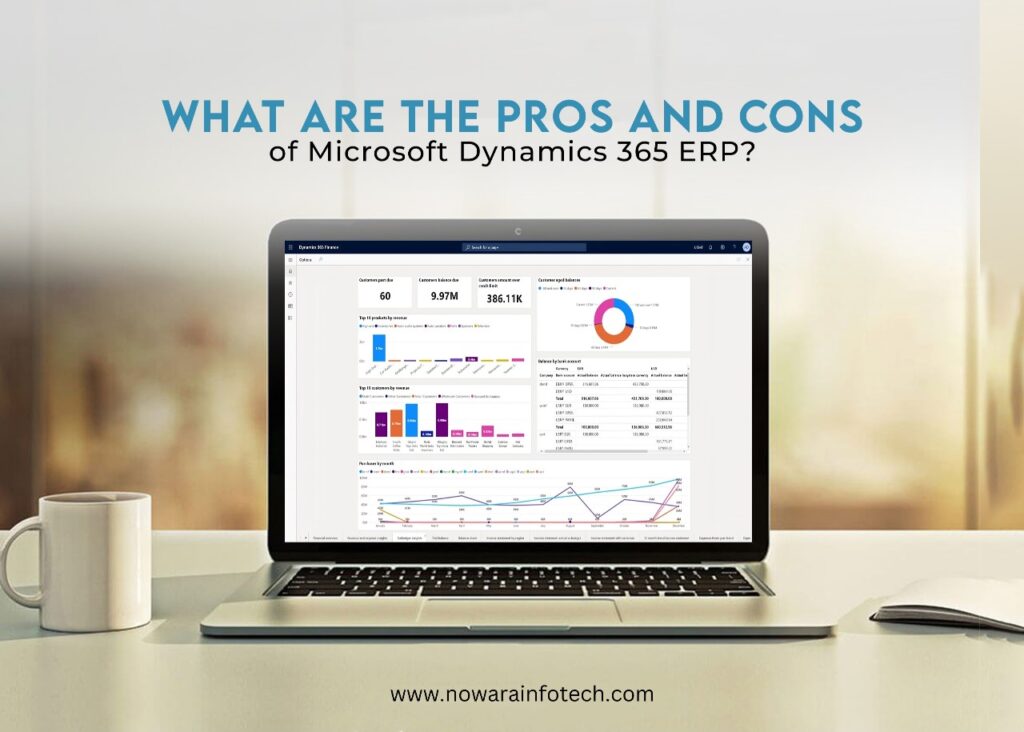
Microsoft Dynamics 365 Business Central (BC) is a comprehensive enterprise resource planning (ERP) solution designed to streamline business processes for small to mid-sized organizations. It integrates various business functions, including finance, supply chain, sales, and customer service, into a single, unified system. Dynamics 365 BC is known for its flexibility, scalability, and ease of use, making it a popular choice among businesses seeking to enhance operational efficiency and drive growth. Industries Using Microsoft Dynamics 365 BC Microsoft Dynamics 365 business central ERP is utilized across various industries for its ability to adapt to specific business needs. Key industries include: Statistics on Microsoft Dynamics 365 ERP 2024 The positive impact of manufacturing ERP software and distributor ERP systems is increasingly evident, they regard it as a highly successful tool. Here are some compelling statistics: Successful Implementation Factors: The success of ERP implementation largely depends on internal organizational factors such as strong management support, thorough due diligence, and effective change management programs. Pros and Cons of Microsoft Dynamics 365 Business Central are Listed Below: Pros: Cons: Overall Experience with Microsoft Dynamics 365 Overall, Microsoft Dynamics 365 Business Central is highly regarded for its ability to unify various business functions into a single platform. Users appreciate its scalability, user-friendly interface, and comprehensive integration capabilities. However, the complexity of implementation and associated costs can be challenging, especially for smaller organizations only if the business lacks proper learning and implementation.  Contact Nowara Infotech Today and Request a Demo! Microsoft Dynamics 365 BC offers a powerful ERP solution that can significantly enhance business processes and operational efficiency. For businesses seeking a reliable ERP solution, Nowara Infotech is a certified Microsoft partner providing the best ERP solutions along with smooth implementation and support services for Microsoft Dynamics 365 BC. Contact Nowara Infotech today to learn how we can help you transform your business with the best ERP solution.

The Best ERP Software For Manufacturing In India 2024

Best Manufacturing Industries Management ERP Software

The ERP Software Market is expected to be worth $300 billion by 2027, showcasing the increasing importance of efficient enterprise resource planning solutions in today’s business landscape. As the global ERP market continues to grow by 8% since 2022, manufacturers are recognizing the need for robust ERP systems to overcome operational challenges and stay competitive.In the manufacturing industry, businesses face numerous challenges without proper ERP software solutions. These hurdles range from inefficient processes to a lack of real-time insights, impacting overall productivity and profitability. Without a centralized system, businesses find it challenging to manage inventory, track orders, and optimize resources effectively, leading to delays in production and compromised customer satisfaction. So, if you are running any small or enterprise industries and thinking about having ERP software for manufacturing then this blog is for you. Application of ERP in Manufacturing Industries: ERP software plays a pivotal role in streamlining manufacturing operations by integrating various functions such as inventory management, production planning, and supply chain management. It provides real-time visibility into key metrics, enhances collaboration across departments, and automates routine tasks, leading to improved efficiency and decision-making. Additionally, ERP solutions offer modules for quality control, shop floor management, and CRM, further enhancing productivity and customer satisfaction. Leveraging the best ERP software for manufacturing will for sure help you in encountering these issues. Types of ERP Software and which one is best for you: On-Premises ERP: Traditional ERP systems are installed and maintained on-site, offering high customization but requiring substantial upfront investment and IT infrastructure.Cloud-Based ERP: Hosted on remote servers and accessed via the internet, providing scalability, flexibility, and cost-effectiveness with pay-as-you-go pricing models.Open-Source ERP: Source code is freely available, allowing customization and community support, but may require technical expertise for implementation and maintenance.Hybrid ERP: Combines on-premises and cloud-based solutions, offering the benefits of both models while addressing specific business needs and compliance requirements. Each above mentioned ERP deployment model offers unique advantages, but manufacturing industries can benefit greatly from Cloud-Based ERP solutions. With scalability, flexibility, and cost-effectiveness, Cloud-Based ERP addresses the dynamic needs of manufacturing businesses, enabling them to streamline operations, enhance productivity, and drive growth effectively. Most Used ERP Software in India for Manufacturing: Amidst various options, Microsoft Dynamics 365 Business Central emerges as the best ERP for manufacturing industries in India. With its robust features, seamless integration with Microsoft products, and scalability, Business Central empowers businesses to streamline operations, drive growth, and adapt to evolving market demands effectively. Which ERP is Better Than SAP: In comparison to SAP, Microsoft Dynamics 365 Business Central offers a more user-friendly interface, faster implementation, and lower total cost of ownership. With Nowara Infotech’s expertise as a certified partner of Microsoft, businesses can leverage Business Central’s capabilities to achieve operational excellence and sustainable growth. Way Forward with Nowara Infotech! As the ERP Software Market continues to grow exponentially, Nowara Infotech stands at the forefront, providing best-in-class ERP solutions customized for manufacturing industries. With their low-cost, high-value offerings and partnership with Microsoft, Nowara Infotech empowers businesses to optimize processes, drive innovation, and stay ahead in today’s dynamic market landscape. Embrace the future of manufacturing with ERP solutions built on Microsoft Dynamics 365 Business Central and unlock your business’s full potential. FAQ’s 1. Is ERP software widely used in the manufacturing sector of Gurugram and Noida? Yes, ERP adoption is growing rapidly in industrial hubs like Gurugram and Noida, where manufacturers rely on ERP to automate production, streamline inventory, manage multi-vendor supply chains, and maintain regulatory compliance. 2. Are ERP systems customizable for mid-sized manufacturers in regions like Pithampur and Bhopal? Definitely. Manufacturing ERP solutions can be tailored for operations in Pithampur and Bhopal, supporting batch production, machine maintenance, GST compliance, and real-time analytics—ideal for growing industrial units in Tier 2 cities. 3. What core manufacturing challenges does ERP software help solve? Yes. ERP tailored for electronics manufacturing supports fast design iterations, component-level traceability, and real-time inventory control. It helps manage short product life cycles, supplier coordination, and quality assurance efficiently—ideal for fast-paced electronics businesses. 4. Can ERP integrate with existing machines and IoT systems on the factory floor? Yes, modern ERP platforms are designed to integrate with IoT devices and smart machinery. This allows manufacturers to collect real-time data from production lines, monitor machine performance, and trigger maintenance alerts automatically. 5. How does ERP help manage multi-location manufacturing operations? ERP enables centralized control over production, procurement, and logistics across multiple plants or warehouses. It helps standardize processes, track inventory flow, and ensure consistent quality across all manufacturing sites. 6. What industries benefit most from manufacturing ERP systems? ERP is widely used across sectors such as automotive, electronics, machinery, food processing, chemicals, and packaging. Each ERP solution can be customized with industry-specific modules to address unique workflows and compliance requirements. 7. Is cloud-based ERP a better option for manufacturing businesses? Yes, cloud-based ERP is increasingly preferred for its scalability, lower upfront costs, automatic updates, and remote accessibility. It’s especially valuable for manufacturers looking to reduce IT overhead and ensure real-time operational visibility.

How Point-Of-Sale (Pos) Systems Are Revolutionizing Manufacturing Industry

How Point-Of-Sale (Pos) Systems Are Revolutionizing Manufacturing Industry

The manufacturing industry is a powerhouse of innovation, constantly churning out the products that keep our world running. But what if I told you that a technology typically associated with retail stores is quietly transforming this sector? That’s right, Point-of-Sale (POS) systems are having a major impact on manufacturing, and the results are impressive. Studies show that manufacturers who’ve adopted POS systems have seen a significant 20% increase in operational efficiency. So, Let’s dive deeper and explore how POS manufacturing ERP software is revolutionizing the way things are made. What is POS in Manufacturing? POS in manufacturing refers to the software and hardware combination used to process transactions at the point of sale, typically in retail environments. However, in manufacturing, POS systems serve a broader purpose beyond simple transactions. They integrate with manufacturing ERP software like Microsoft Dynamics CRM to streamline operations, manage inventory, and enhance customer experiences. The Four Types of POS Systems 1. Stationary POS: Traditional checkout counters equipped with terminals for processing transactions. 2. Mobile POS: Utilizes mobile devices such as tablets or smartphones for on-the-go transactions, ideal for manufacturing environments with varying points of sale. 3. Online POS: Virtual platforms that enable customers to make purchases online, seamlessly integrated with physical POS systems. 4. Self-Service Kiosks: Empower customers to complete transactions independently, reducing wait times and enhancing efficiency in manufacturing settings. What is the Purpose of Point-of-Sale POS manufacturing ERP software? At its core, the primary purpose of a POS manufacturing ERP software in manufacturing is to facilitate smooth transactions. However, their functionalities extend far beyond this: Streamlined Operations: POS systems integrate with ERP for manufacturing industry, providing real-time insights into inventory levels, sales trends, and customer preferences. Enhanced Customer Experience: Quick and efficient transactions, personalized promotions, and seamless omnichannel experiences leave a lasting impression on customers. Improved Inventory Management: Accurate tracking of inventory levels prevents stockouts, minimizes excess inventory, and optimizes supply chain efficiency. Data-Driven Decision Making: Detailed analytics generated by POS systems empower manufacturers to make informed decisions regarding pricing strategies, product development, and resource allocation. How has technology improved point-of-sale transactions? Advancements in technology have revolutionized POS transactions, making them faster, more secure, and highly efficient: What does a POS system help prevent by accurately tracking inventory levels in real time? One of the most significant advantages of POS systems lies in their ability to accurately track inventory levels in real-time. This functionality helps prevent: In essence, POS systems serve as the backbone of modern manufacturing operations, driving efficiency, profitability, and customer satisfaction. By harnessing the power of technology and integration, manufacturers can stay ahead of the curve in an increasingly competitive market landscape. Nowara Infotech: Your Partner in Manufacturing POS Revolution The manufacturing landscape is changing rapidly, and Nowara Infotech is here to help you navigate the transformation.  Our expertise in POS systems and manufacturing ERP software can streamline your operations, boost efficiency, and empower you to make data-driven decisions. Ready to unlock the potential of POS systems in your manufacturing business? Contact Nowara Infotech today for a free consultation! We’ll assess your specific needs and recommend the perfect POS solution to optimize your workflow and propel your business forward.

Dynamics 365 manufacturing

Best ERP Software for the Manufacturing Industry Globally in 2024

With the rapid evolution of technology, the enterprise resource planning (ERP) landscape is experiencing remarkable growth and transformation. According to recent statistics, the cloud-based ERP market is projected to soar to a staggering $37.7 billion by 2026, reflecting the escalating demand for modern and scalable ERP solutions. In 2021 alone, the global market value of ERP software surged to $41.23 billion, underscoring its indispensable role in driving operational efficiency and business success across various sectors. Notably, the manufacturing industry emerges as a dominant force in the ERP arena, commanding a significant 53% of the market share. Moreover, a staggering 95% of businesses report notable process improvements following the implementation of manufacturing ERP software, emphasizing its profound impact on organizational productivity and performance. As businesses worldwide increasingly recognize the transformative potential of ERP solutions, the quest for the ideal ERP software becomes paramount, especially in the manufacturing sector where optimization and innovation reign supreme. In the fast-paced world of manufacturing, having the right ERP for the manufacturing industry can make all the difference. With an array of options available, it’s crucial to choose the best ERP solution that aligns with your business needs and goals. In this article, we will explore 10 ERP software for the manufacturing industry globally in 2024. Acumatica: Acumatica offers a comprehensive cloud-based ERP solution designed to streamline manufacturing operations. With features like inventory management, production scheduling, and financial management, Acumatica empowers manufacturers to optimize their processes and drive growth. Epicor Kinetic: Epicor Kinetic is a robust ERP solution tailored for manufacturers looking to improve efficiency and productivity. With modules for supply chain management, production planning, and quality control, Epicor Kinetic enables manufacturers to enhance visibility and make data-driven decisions. Microsoft Dynamics 365 Business Central: Microsoft Dynamics 365 Business Central is a versatile ERP platform that provides manufacturing companies with the tools they need to succeed. From inventory management to financial reporting, Business Central offers a unified solution to streamline operations and drive business growth. Cetec ERP: Cetec ERP is an all-in-one ERP system designed specifically for small and mid-sized manufacturers. With features like order management, shop floor control, and CRM, Cetec ERP helps manufacturers optimize their processes and improve customer satisfaction. IFS Cloud: IFS Cloud is a comprehensive ERP solution built to address the unique needs of manufacturing companies. With modules for project management, asset management, and supply chain optimization, IFS Cloud enables manufacturers to achieve operational excellence and drive innovation. Infor Manufacturing Cloud ERP: Infor Manufacturing Cloud ERP is a modern ERP solution designed to meet the complex needs of manufacturers. With features like advanced planning and scheduling, shop floor control, and financial management, Infor Manufacturing Cloud ERP helps manufacturers improve efficiency and reduce costs. NetSuite ERP: NetSuite ERP is a cloud-based ERP solution that provides manufacturers with the flexibility and scalability they need to grow their business. With modules for financial management, inventory control, and production planning, NetSuite ERP empowers manufacturers to streamline operations and drive profitability. Syspro: Syspro is a leading ERP solution for manufacturing companies seeking to optimize their operations. With features like supply chain management, production planning, and business intelligence, Syspro helps manufacturers improve efficiency and drive growth. Oracle: Oracle offers a comprehensive suite of ERP solutions designed to meet the needs of manufacturing companies of all sizes. With modules for supply chain management, procurement, and order fulfilment, Oracle enables manufacturers to streamline their processes and drive innovation. SAP S/4HANA: SAP S/4HANA is an intelligent ERP solution that provides manufacturers with real-time insights and predictive analytics. With features like advanced planning, production execution, and asset management, SAP S/4HANA helps manufacturers optimize their operations and stay ahead of the competition. Confused which is the Best ERP for Manufacturing Businesses While all the above-mentioned ERP solutions offer unique features and benefits, Dynamics 365 Business Central stands out as the best ERP for manufacturing businesses. With its seamless integration with Microsoft’s suite of productivity tools, intuitive user interface, and robust manufacturing capabilities, Dynamics 365 Business Central empowers manufacturers to streamline their operations, improve efficiency, and drive growth. Nowara Infotech – Your Trusted ERP Provider Globally Looking to implement Dynamics 365 Business Central for your manufacturing business? Nowara Infotech is here to help! As a leading manufacturing ERP provider built on Dynamics 365 manufacturing, we offer comprehensive implementation, customization, and support services to help you unlock the full potential of your ERP solution. Contact us today to learn more! FAQ’s 1. We’re in chemical manufacturing and struggle with safety, batch control, and documentation. Can ERP help? Yes, ERP solutions for chemical manufacturing are built to handle complex processes like batch formula management, hazardous material tracking, and compliance reporting. It streamlines operations while ensuring accuracy, safety, and adherence to industry regulations. 2. We’re into machines manufacturing. Can ERP really handle complex parts, custom jobs, and deadlines? Absolutely. An ERP for machines manufacturing helps manage BOMs, multi-level assemblies, inventory tracking, and job scheduling. It brings visibility to your production cycle, improves cost estimation, and ensures timely delivery—even in high-variation, engineer-to-order environments. 3. Our electronics manufacturing setup faces rapid design updates and inventory fluctuations. Will ERP be flexible enough? Yes. ERP tailored for electronics manufacturing supports fast design iterations, component-level traceability, and real-time inventory control. It helps manage short product life cycles, supplier coordination, and quality assurance efficiently—ideal for fast-paced electronics businesses. 4. We’re investing in automobile automation. Can ERP integrate with smart factory systems and robotics? Modern ERP systems are designed to support automobile automation by integrating with IoT-enabled machinery, sensors, and robotics. They provide real-time data from the production floor, support predictive maintenance, and help automate workflows in line with Industry 4.0 goals. 5. We handle large-scale automobile manufacturing. How will ERP streamline our operations? ERP systems for automobile manufacturing unify operations like production planning, supply chain, vendor management, quality control, and compliance. They help reduce downtime, improve forecasting, manage recalls, and maintain traceability across all stages of vehicle production. 6. We’re a mid-sized manufacturing business. Can ERP still add value if we’re not a big player? Absolutely. Whether you’re in chemical, machines, electronics, or automobile manufacturing, ERP